
Intro to MFR
Developed by John F. Barnes, Myofascial Release is a hands-on therapy that addresses the fascial system, the three-dimensional connective tissue web surrounding every muscle, bone, nerve, organ, and cell. Trauma, inflammation, and repetitive strain can create restrictions that generate tension, pain, and dysfunction. Through sustained, gentle pressure held long enough for the tissue to respond, MFR releases these restrictions at their source, restores mobility, improves structural balance, and supports lasting, whole-body results.
The Myofascial Component
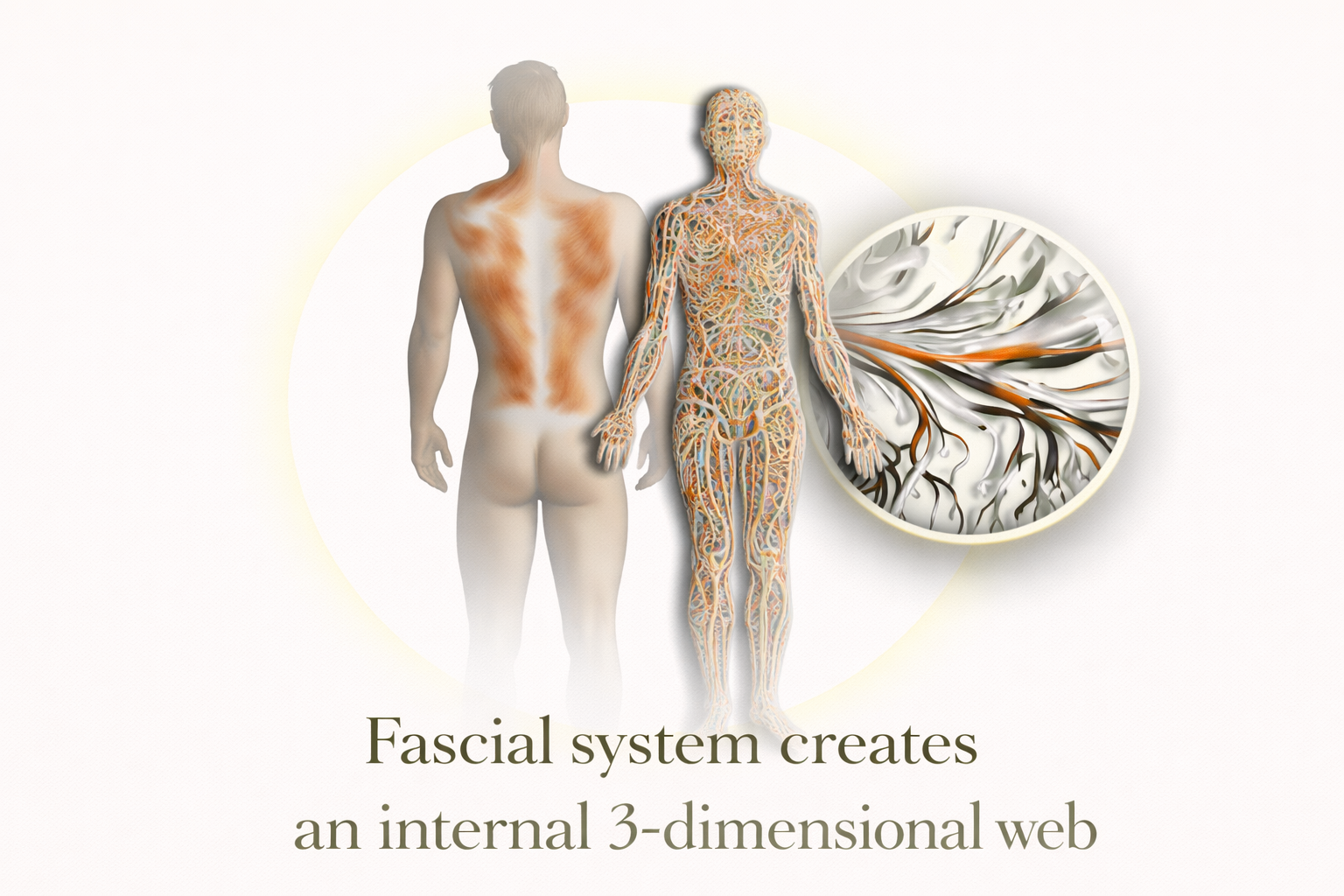
Fascia is a three-dimensional connective tissue network that surrounds and supports every structure in the body. When injury, stress, or inflammation occur, this living matrix can harden and lose fluidity, creating tension, pain, and limited mobility that may extend far beyond the original site. Myofascial Release uses sustained, gentle pressure to soften these restrictions, restore elasticity, improve circulation and nerve function, and promote lasting structural and functional change throughout the body.
Fascial Theory
Fascial Theory views the body as an interconnected, three-dimensional system rather than isolated muscles and bones. Fascia is a tough yet flexible tissue web that surrounds and infuses every structure in the body. Injury, inflammation, emotional stress, and postural imbalance can create restrictions that cause pain, limited motion, and dysfunction, often far from the source. Sustained myofascial techniques and specific stretching help lengthen fascia, restore balance, and require consistent daily practice for lasting change.
What makes MFR Different?
Myofascial Release focuses on identifying and treating the true source of pain within the fascial system rather than addressing symptoms alone. Instead of forceful manipulation, MFR applies sustained, gentle pressure that allows tissue to soften and release safely. Because each person carries unique patterns of strain and compensation, every session is individualized. This client-centered approach supports deeper structural correction, improved function, and longer-lasting results than symptom-driven techniques.
I hope this works!
Chronic pain often continues when we search for someone else to fix us instead of engaging fully in our own healing. Lasting change requires becoming the primary therapist by increasing awareness of posture, movement, emotions, and daily habits that reinforce imbalance. Temporary relief can occur when old patterns return. Healing is not a quick intervention but an ongoing relationship with your body, supported by skilled practitioners and your active, consistent participation.
Allowing Non-Resistance
Mental and emotional resistance often manifests as physical tension, headaches, and pain. The body continuously communicates its needs, but when emotions or stress are suppressed, restrictions can build within the tissues. Practicing non-resistance means acknowledging what we are feeling rather than fighting or ignoring it. By asking “What am I resisting?” and listening with awareness, we create space for tension to soften, alignment to return, and the body to move toward optimal function.
Our Servo-Mechanism
The concept of a servo-mechanism suggests that once a clear intention is set, the body and mind naturally self-correct toward that goal. Rather than forcing outcomes, we create a powerful, sensory-rich intention and maintain purposeful focus. As we align our thoughts and actions with that intention, mindful self-correction guides us forward. Letting go of the need to control every step allows innate guidance systems to support progress with greater ease and efficiency.
MFR Maxims
Myofascial Release is guided by core principles that shape every session. Therapists commit to their own healing and self-awareness, recognizing they can only guide clients as far as they have gone themselves. Tissue is never forced, as force creates resistance and potential injury. Because fascia forms a continuous web, symptoms often appear far from the cause. Practitioners assess the body as an integrated whole to safely identify and release underlying restrictions.
A Word from John Barnes
In this video, MFR Founder John Barnes describes fascia as a continuous connective tissue web that supports and integrates every structure in the body. Trauma, inflammation, and repetitive stress can create restrictions that generate pain yet often do not appear on imaging. Through gentle, sustained pressure applied directly to the skin, Myofascial Release softens and releases these restrictions, addressing root causes to restore motion, reduce pain, and promote lasting structural change.
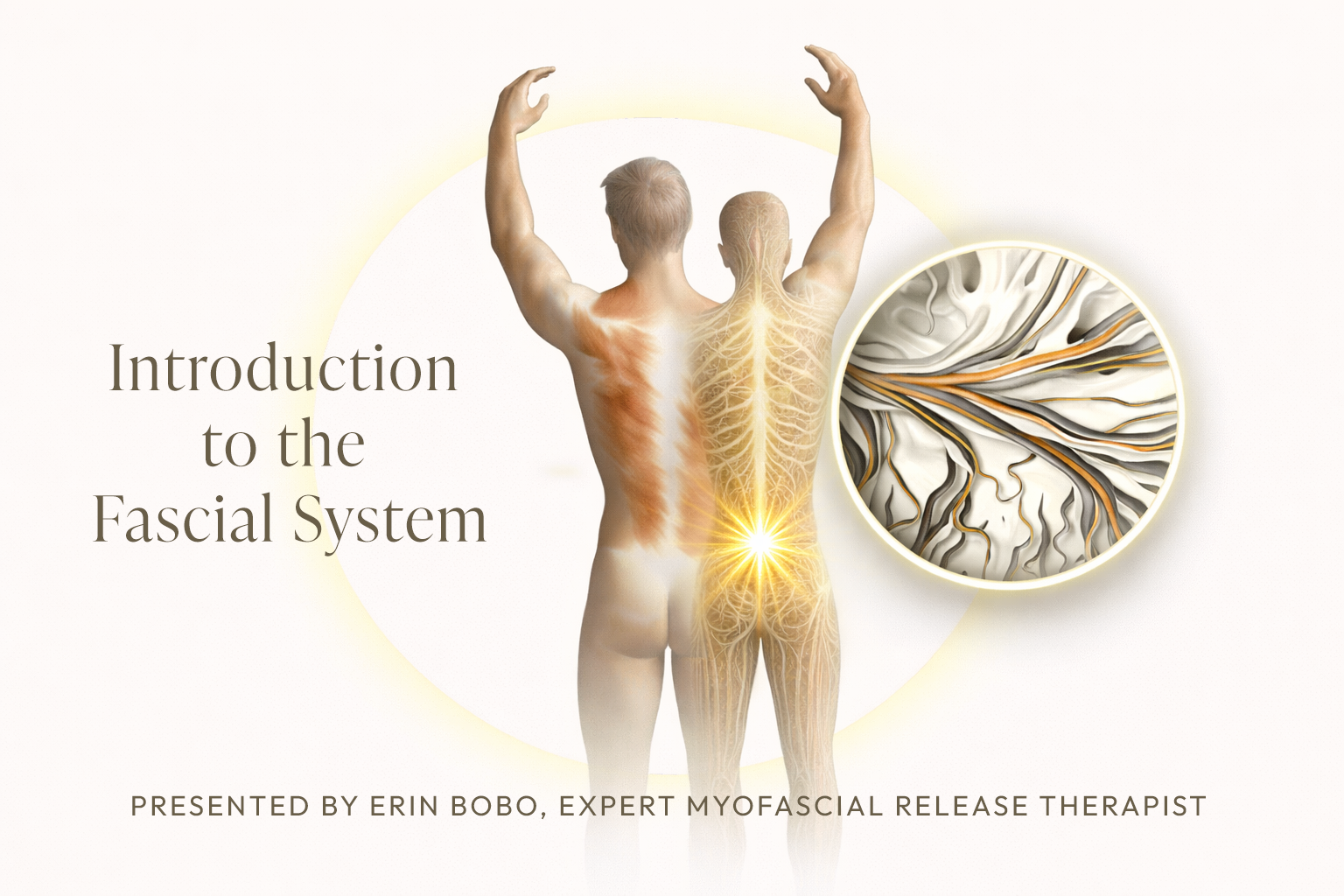
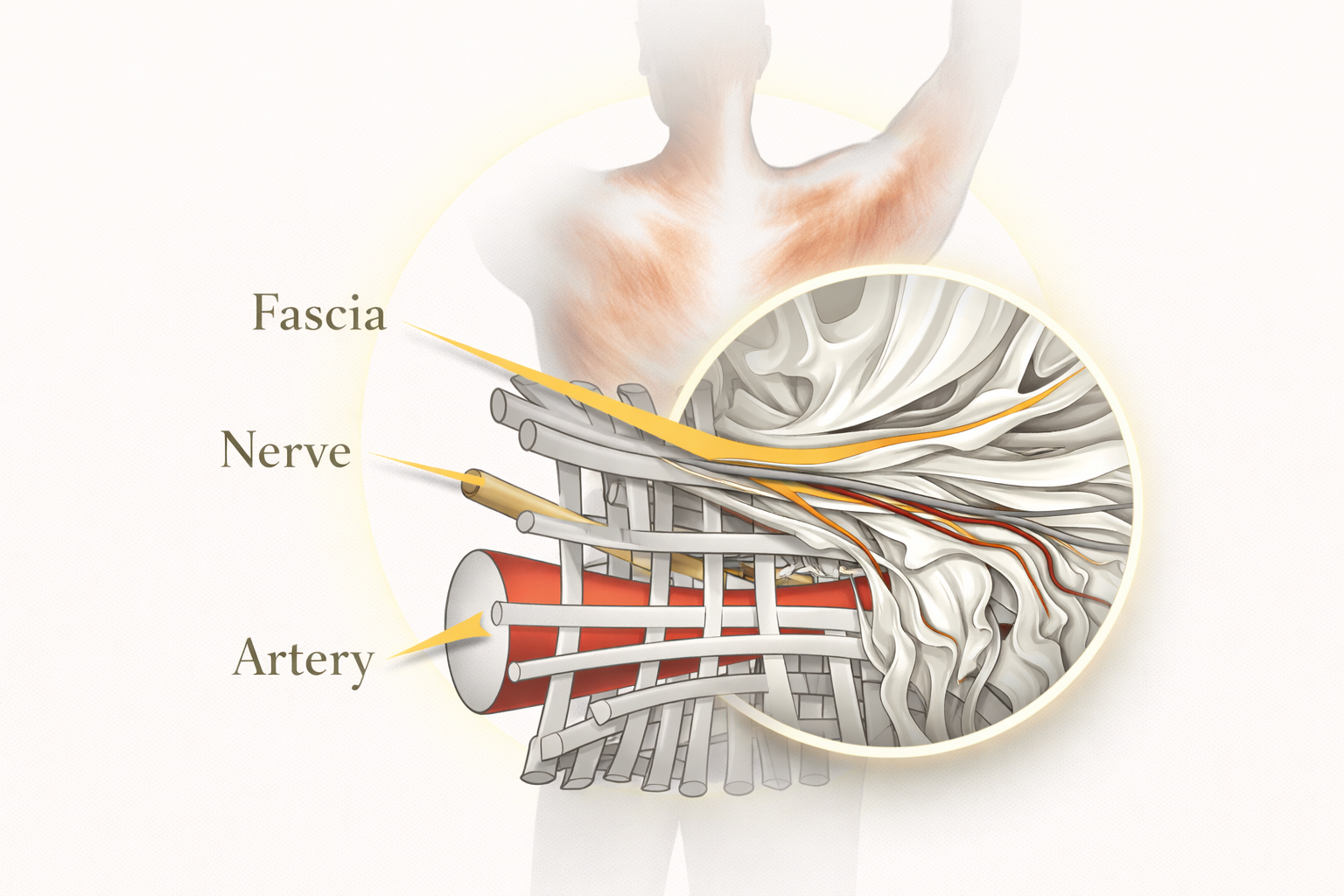
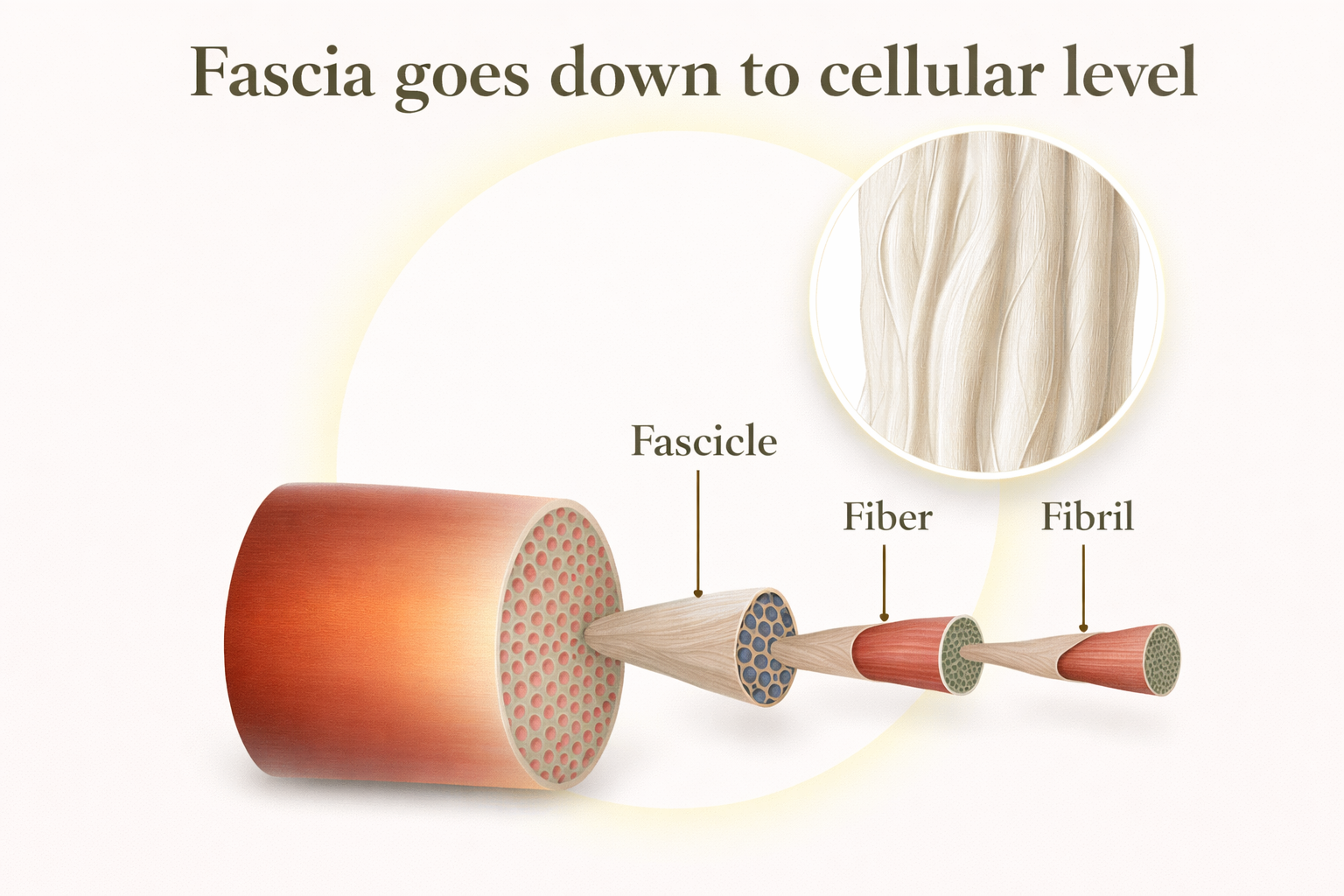
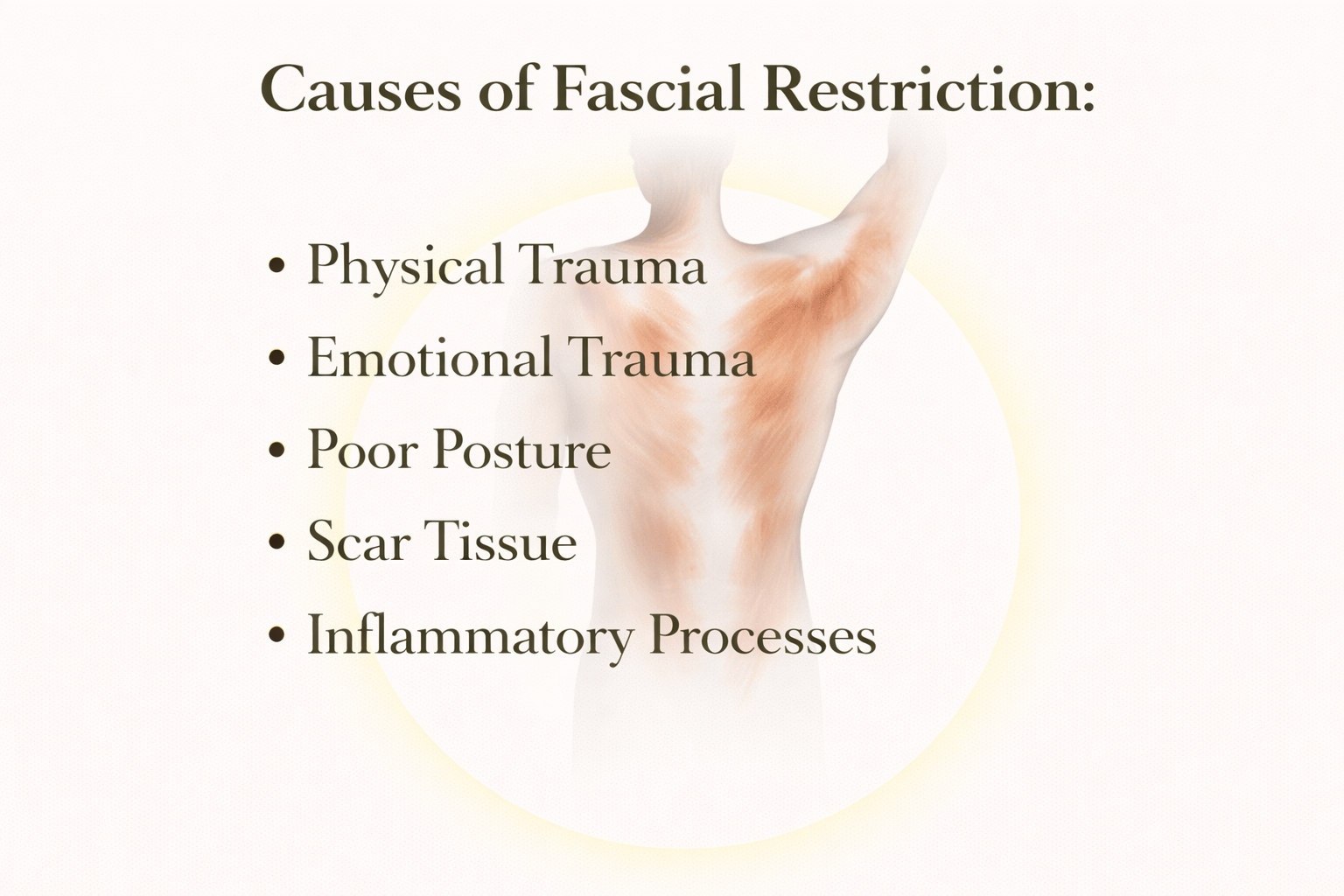
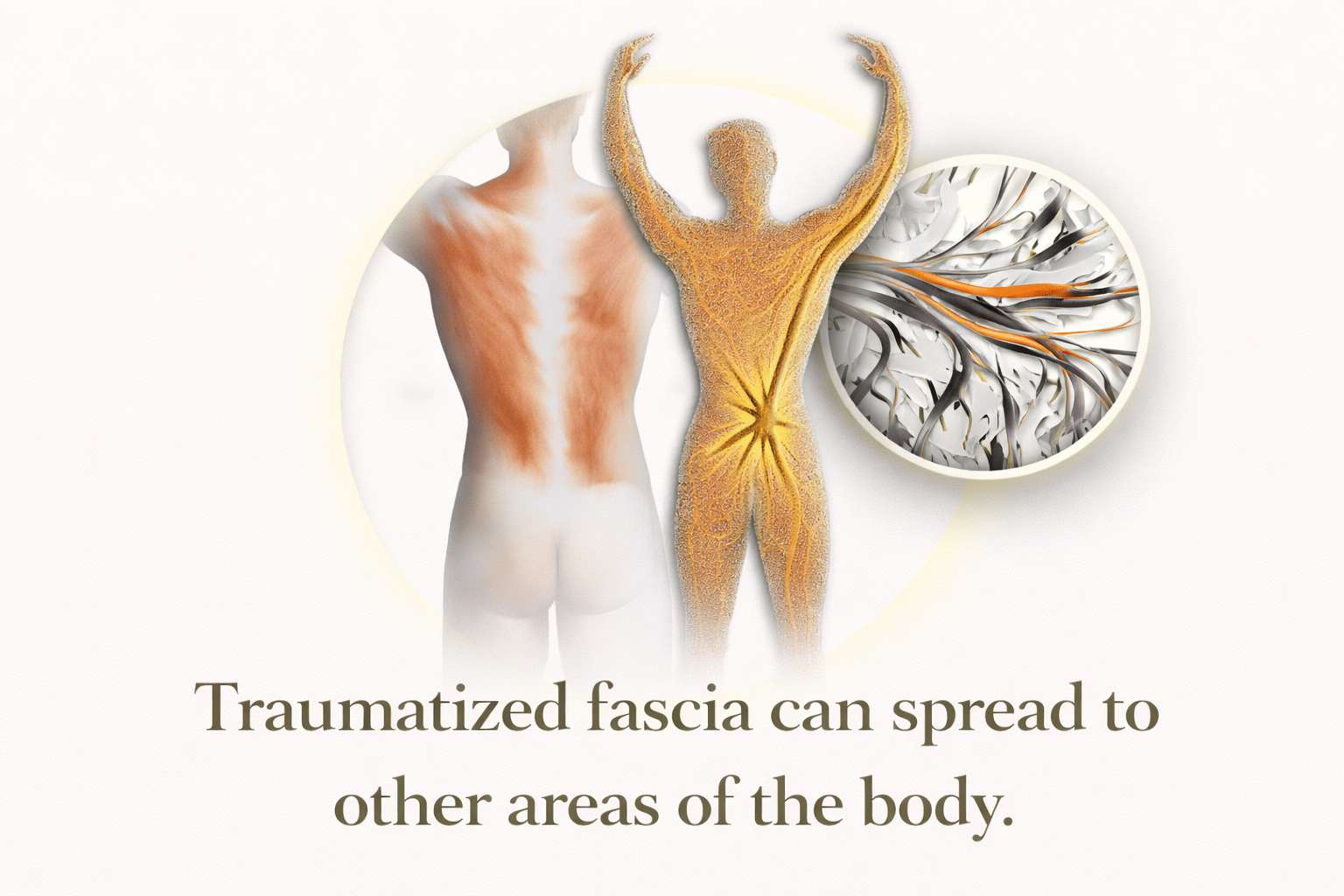
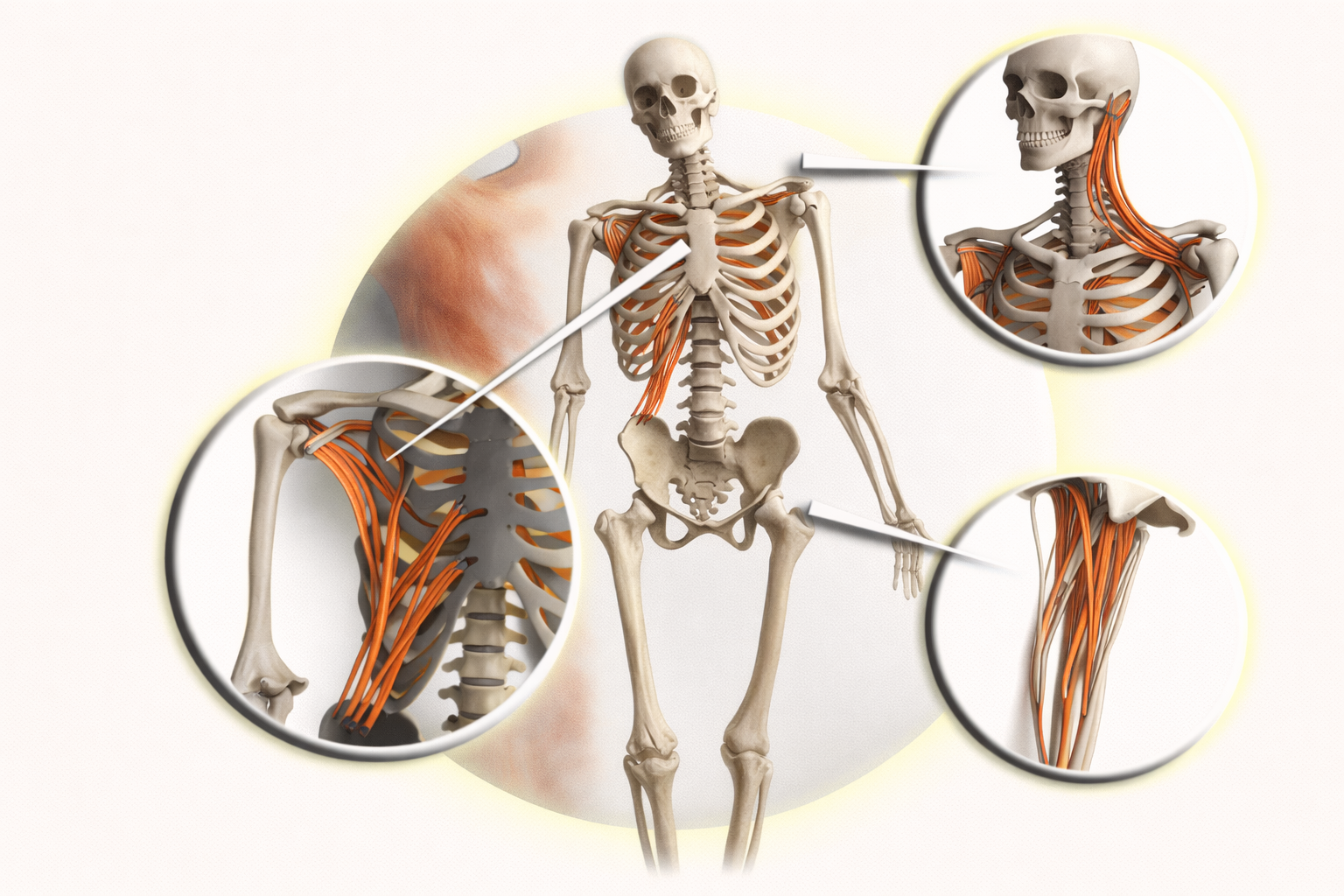
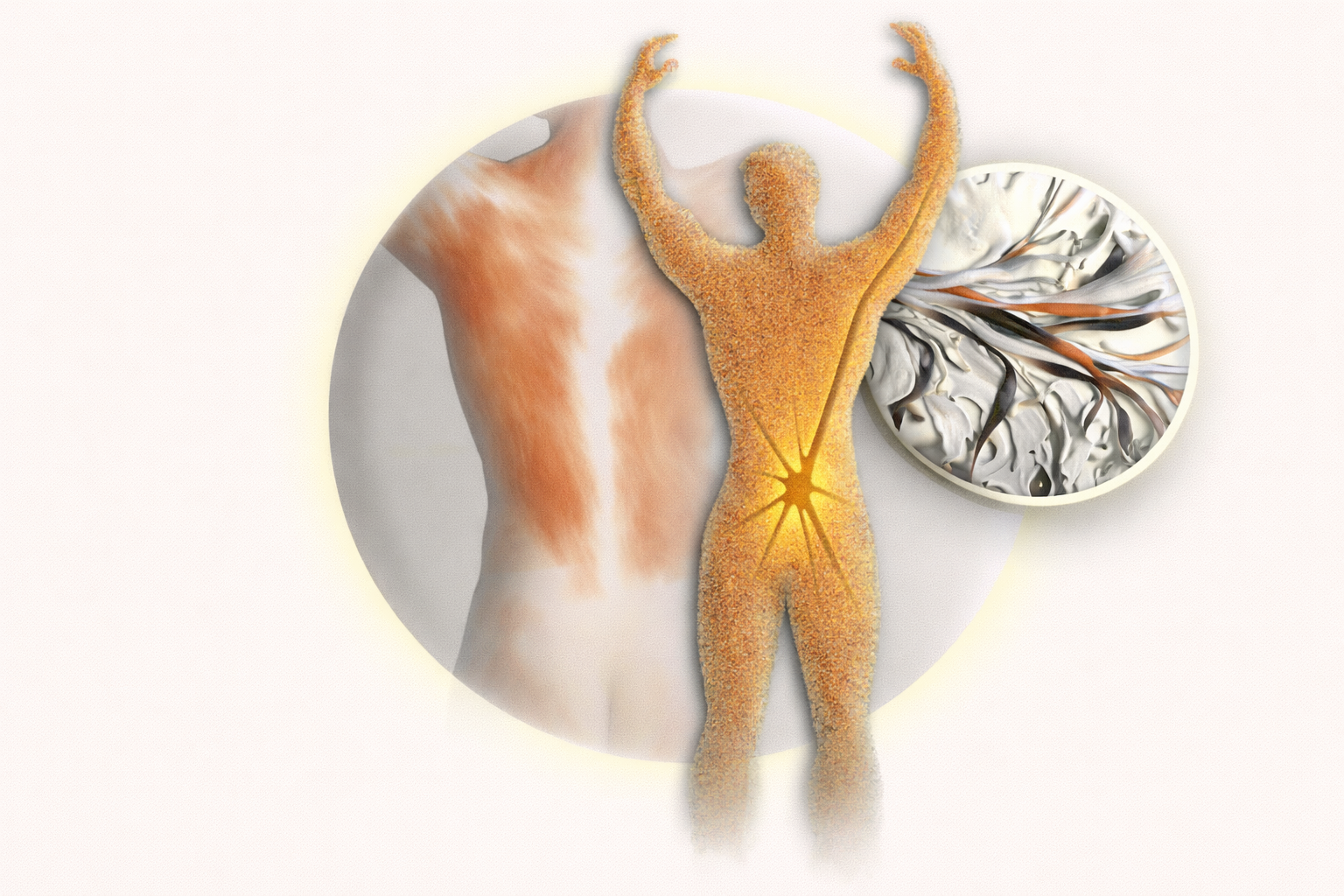
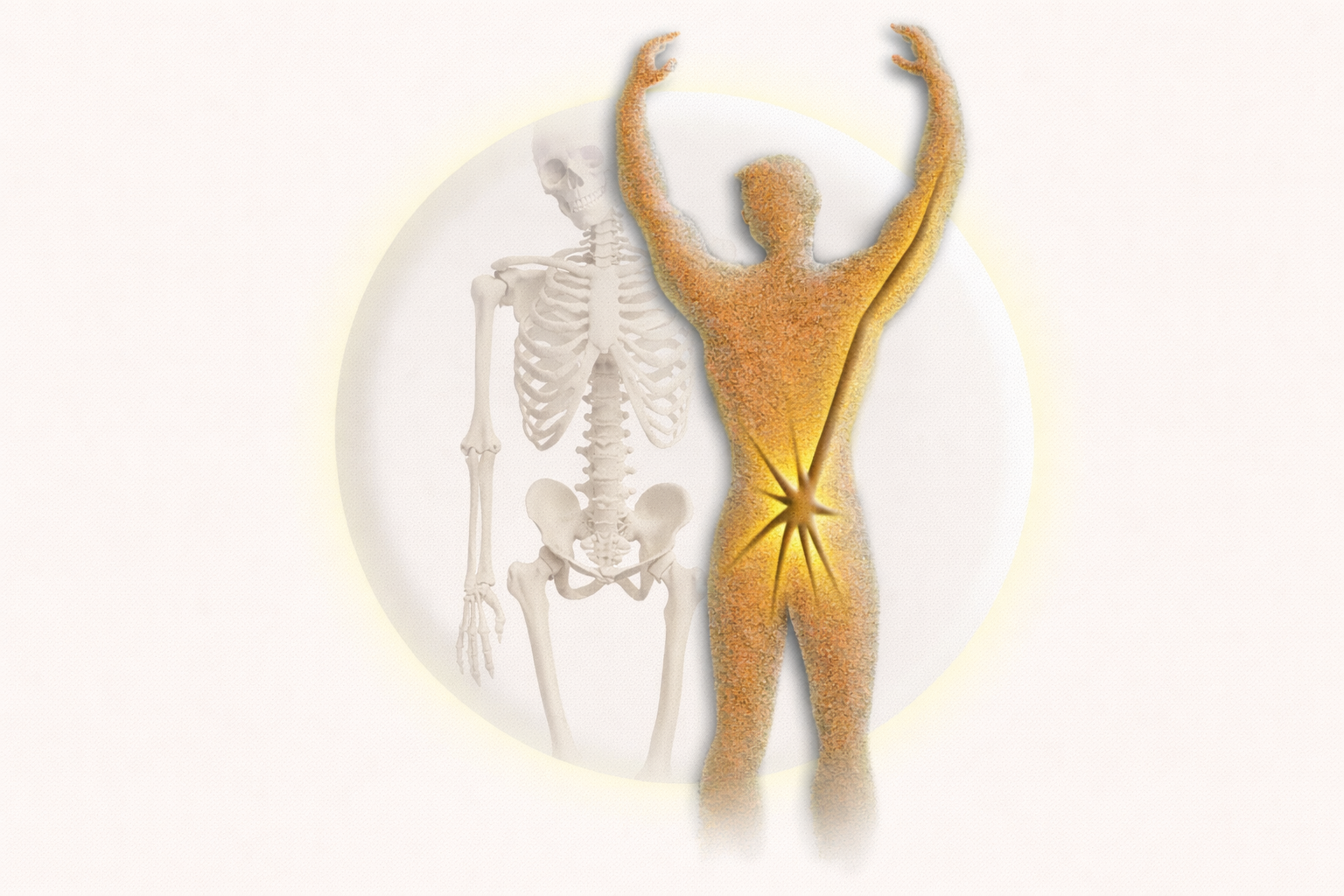
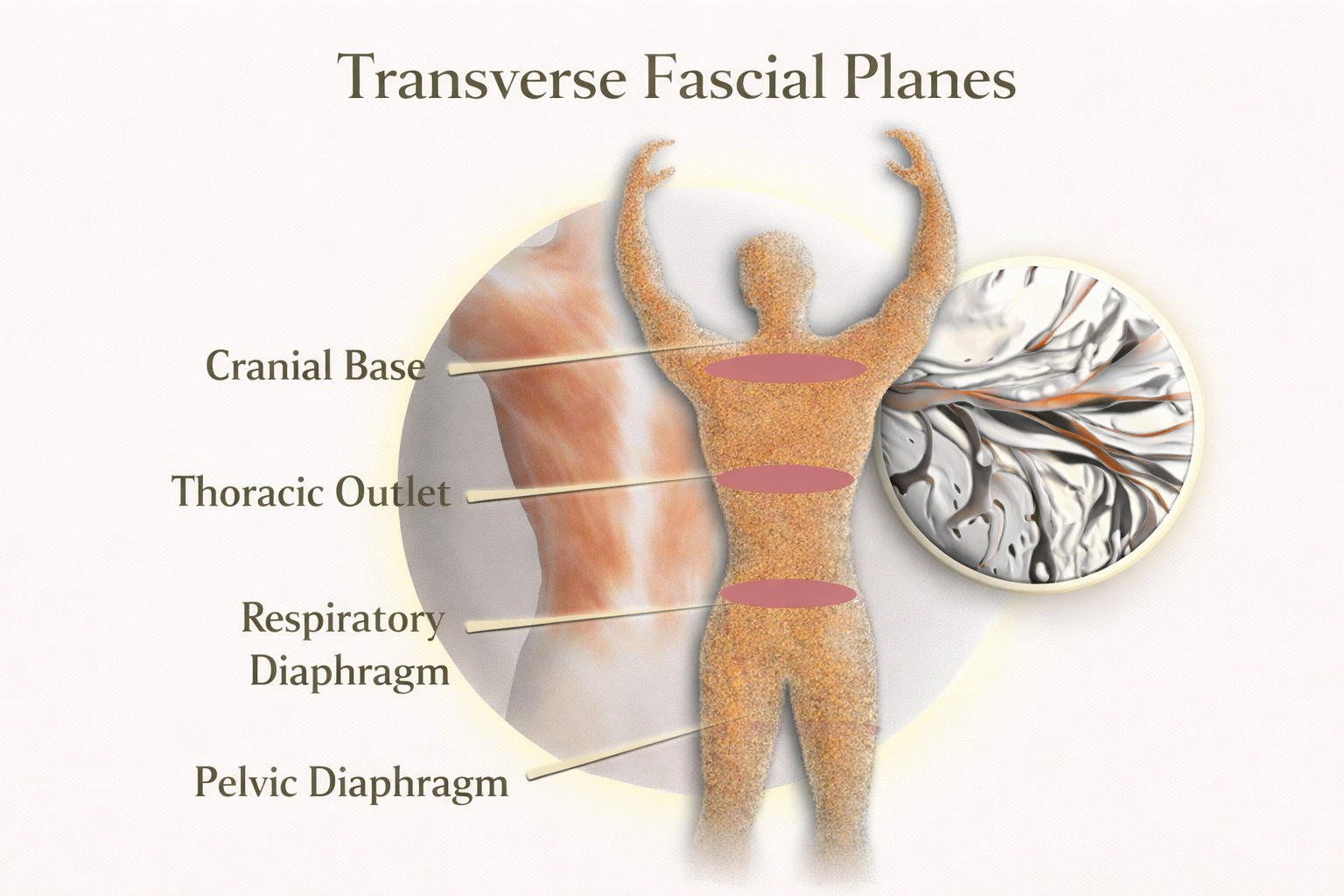
What is Fascia?
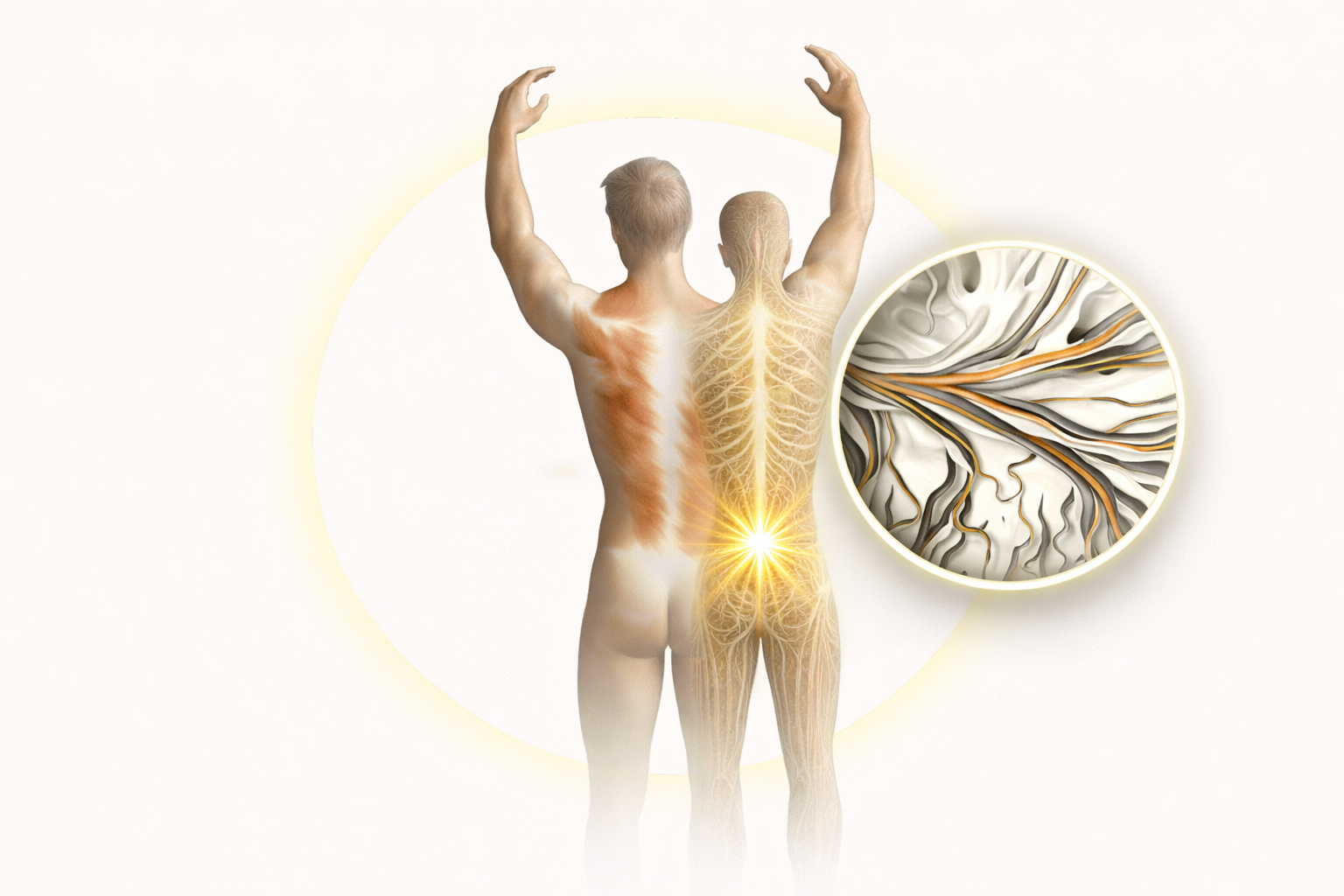
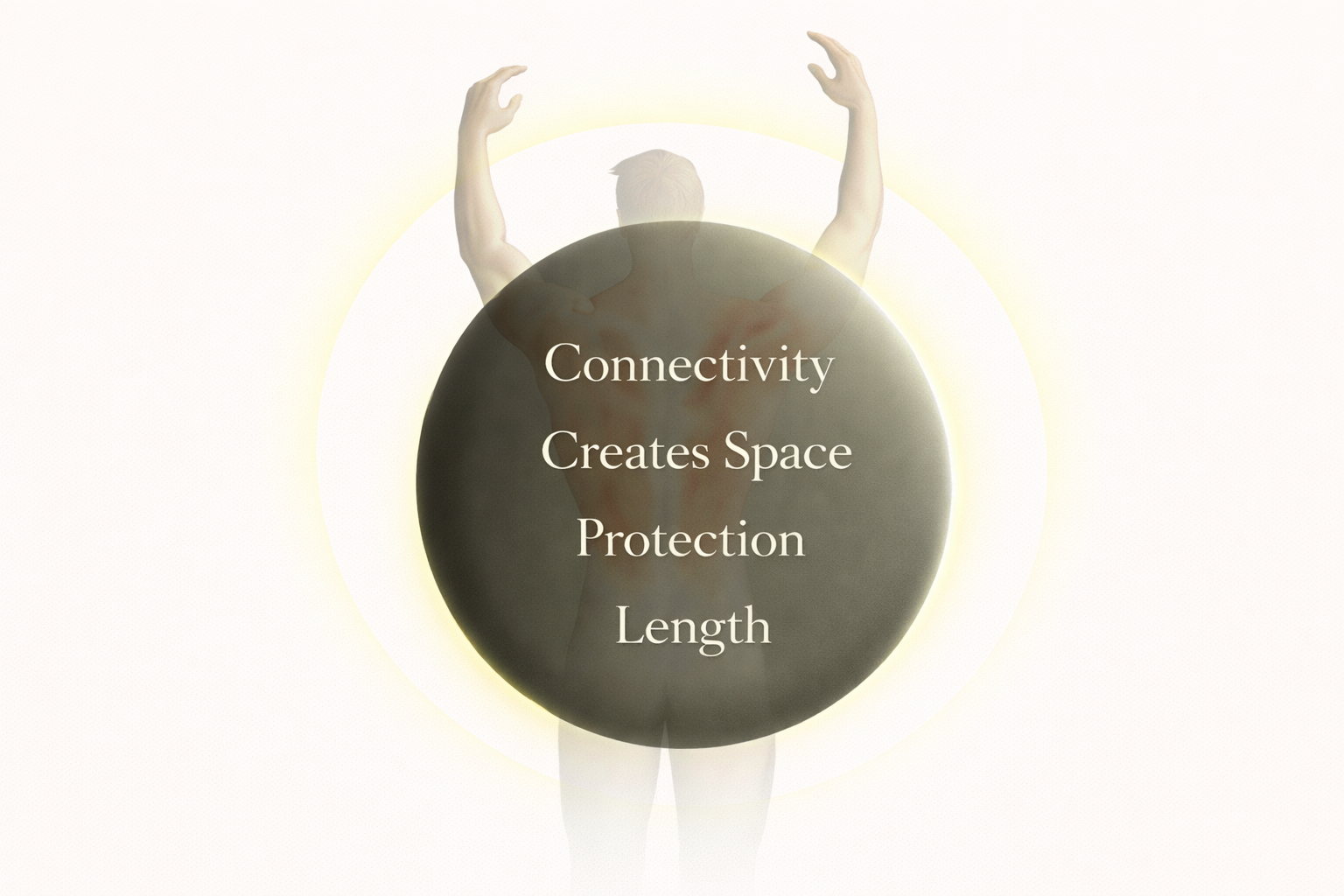
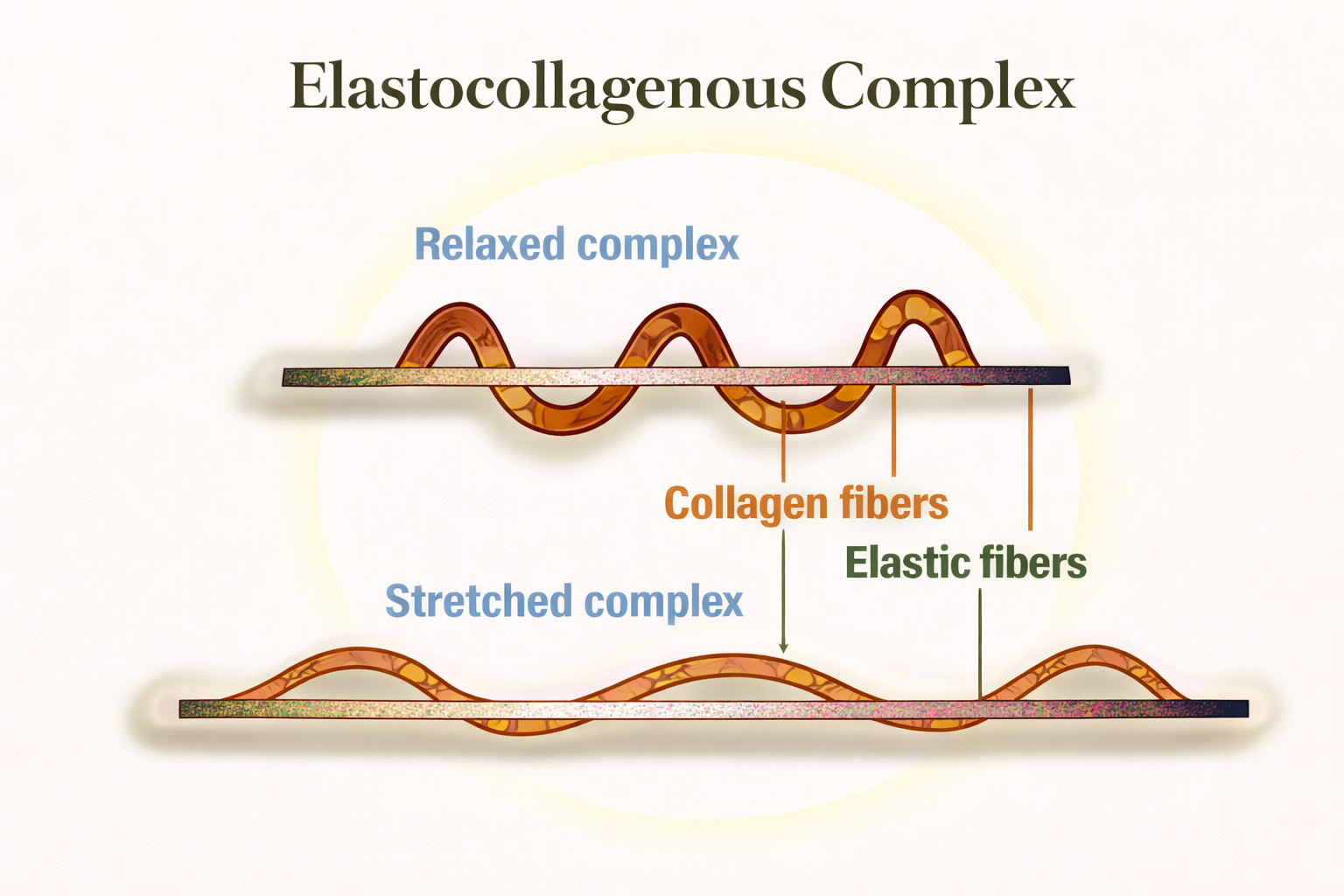
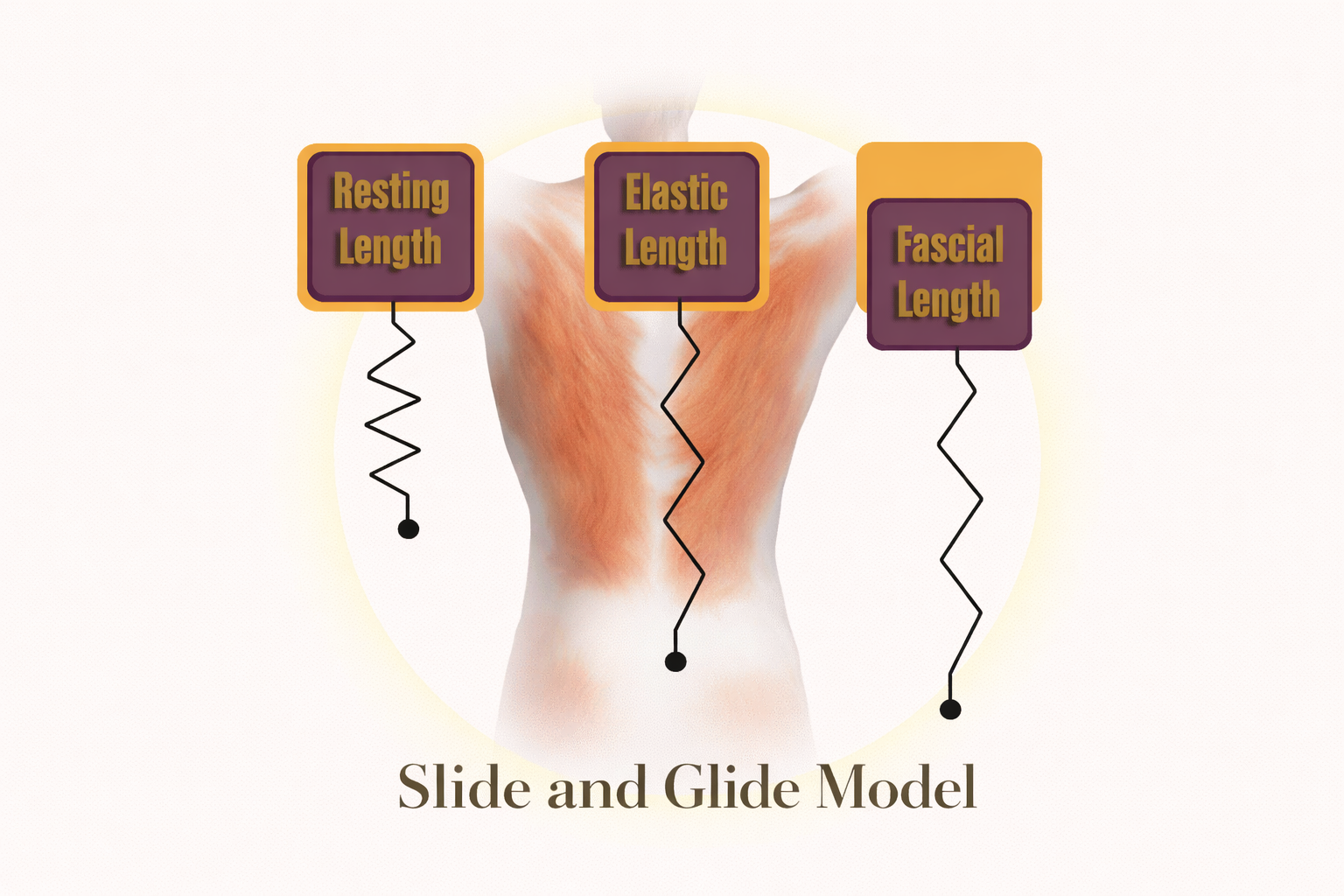
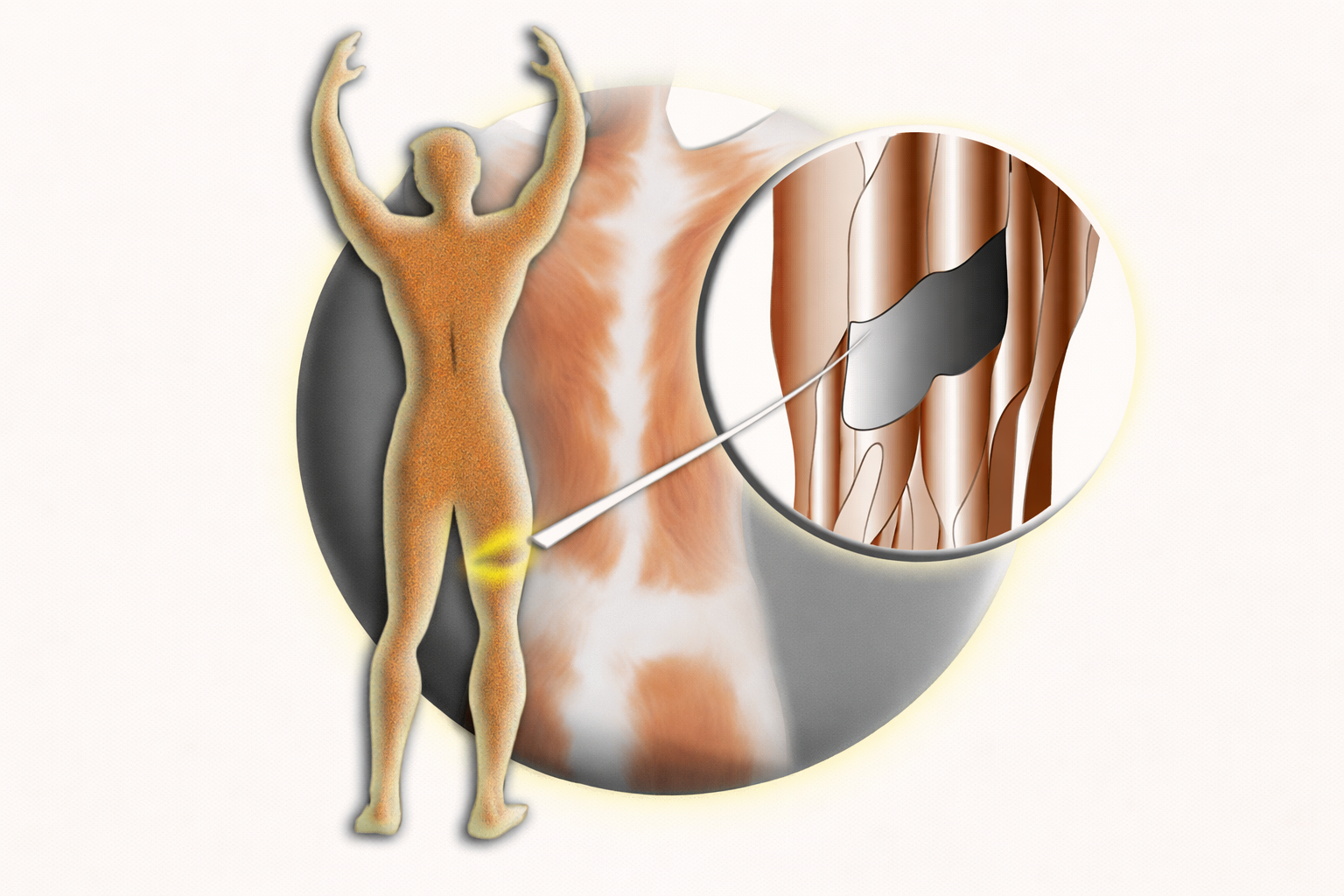
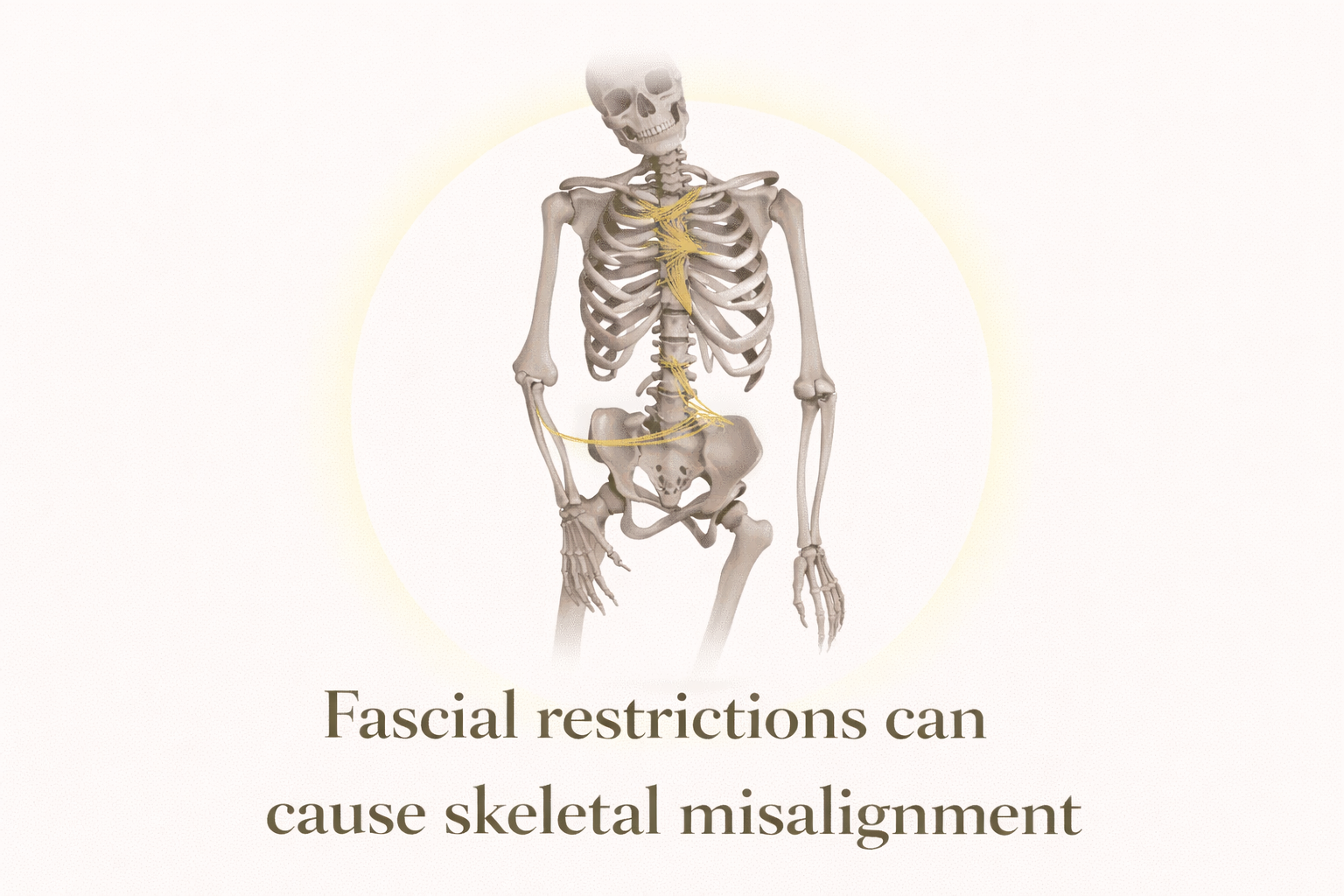
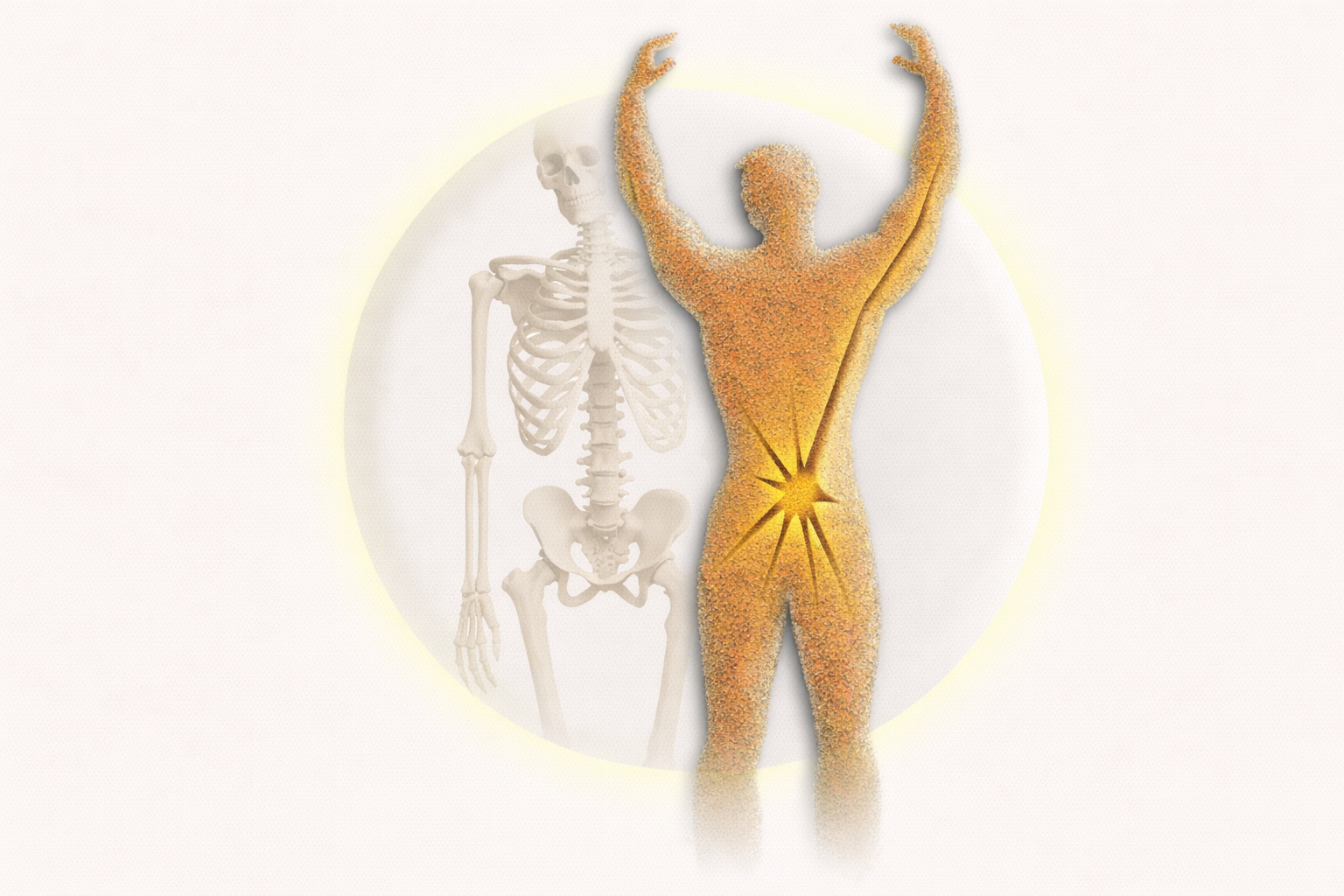
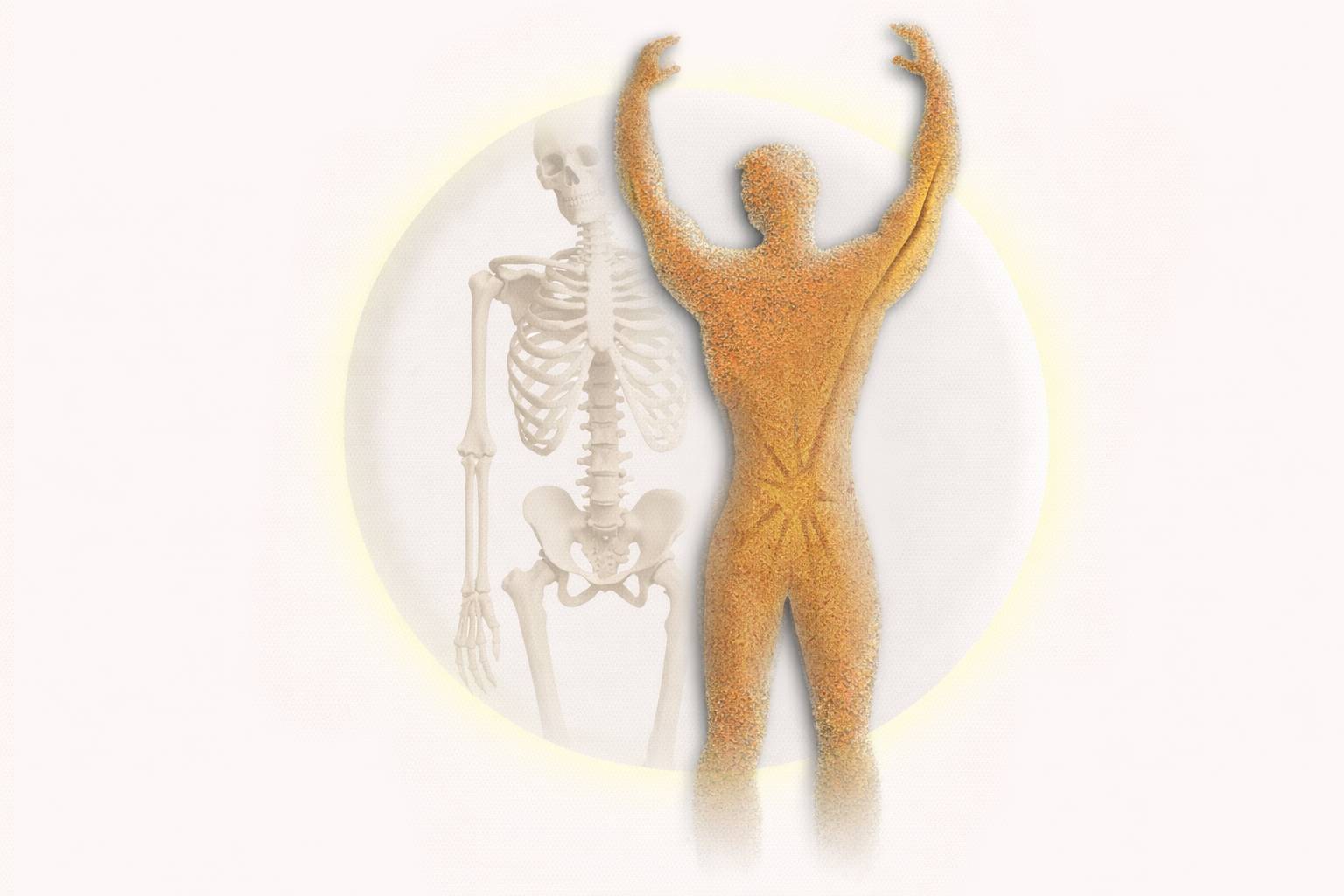
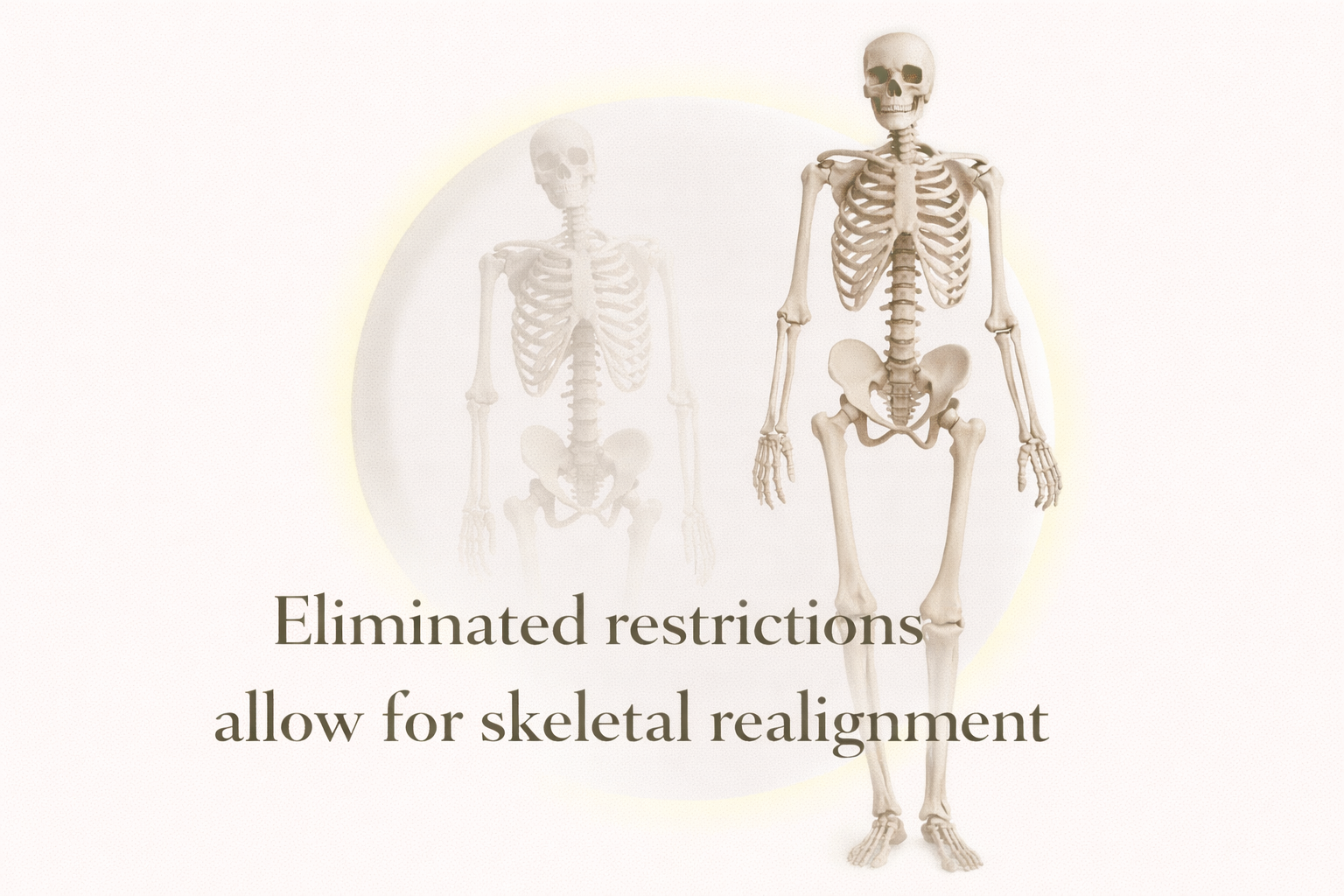
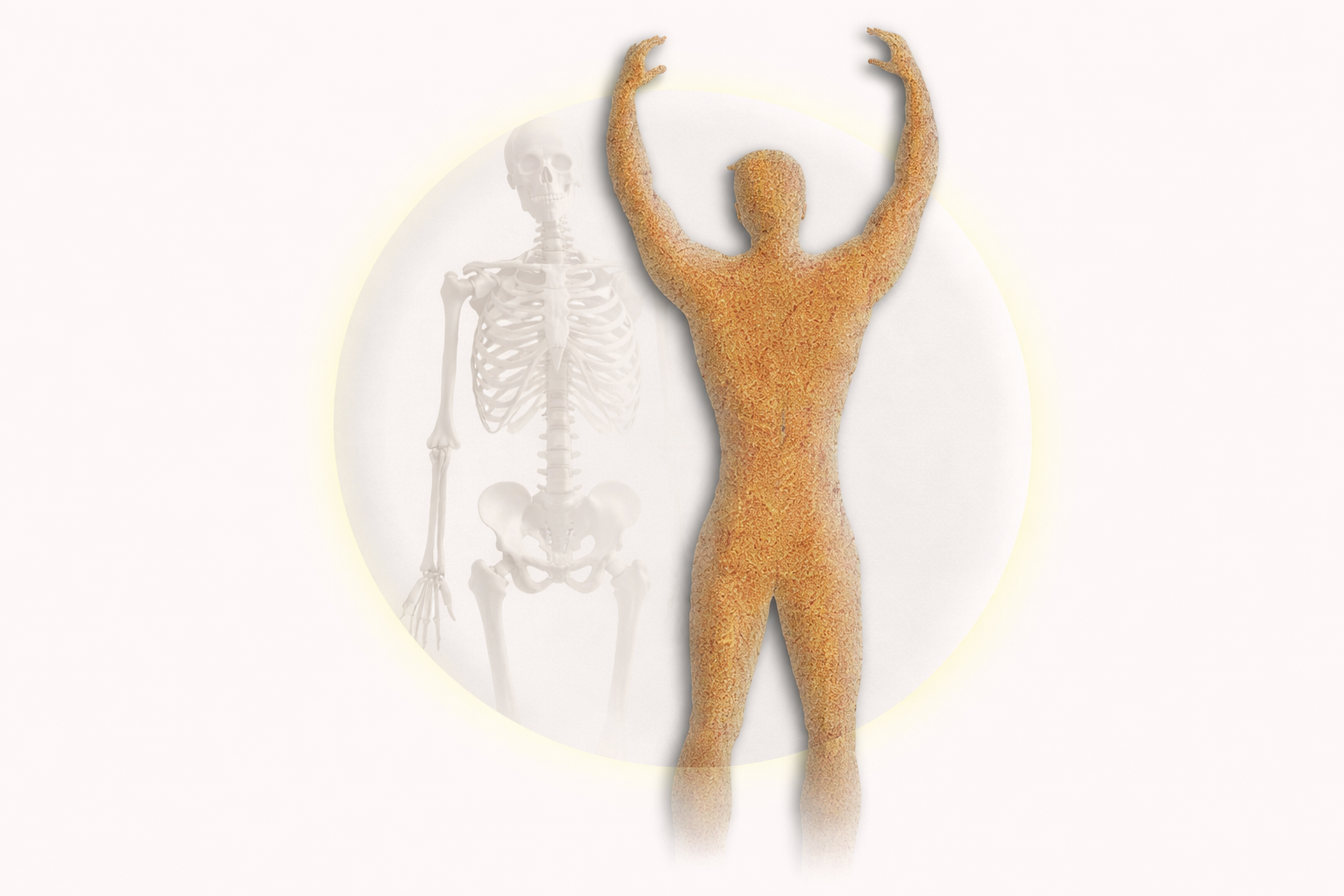
This is a questions we get a lot here at Fern Cottage Wellness, so we created a simple slideshow that helps explain fascia and how it impacts the body. Fascia is a thin but strong connective tissue that surrounds and supports almost everything in your body, including muscles, bones, nerves, blood vessels, and organs. You can think of it like a web or wrapping system that holds everything together. If you have ever peeled the white, thin membrane off a chicken breast or orange slice, that is similar to fascia. Healthy fascia is flexible and allows the body to move easily. When fascia becomes tight, inflamed, dehydrated, injured, or restricted from stress, posture, repetitive movement, surgery, or trauma, it can create tension, pain, stiffness, or a feeling of pulling in areas that may seem unrelated. For example, tight fascia in the hips can sometimes contribute to pain in the lower back, or tight fascia in the chest can affect the shoulders and neck. Fascia is sometimes compared to a full-body bodysuit under the skin because it connects and influences so many parts of the body at once.